After 1,000+ projects across 35 EPC partners, the same nine mistakes recur — and most are made before a contract is signed. What to fix, in the order that matters.
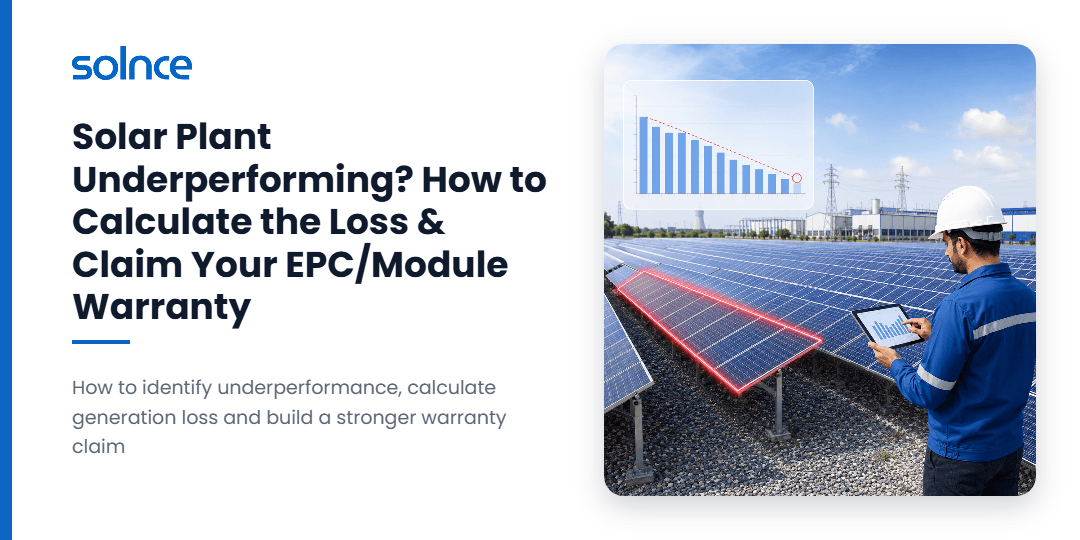
Calculate your actual generation loss, prove it against the 75% Performance Ratio your vendor owes you, and use the claim route that actually works. Includes the evidence file you’ll need.
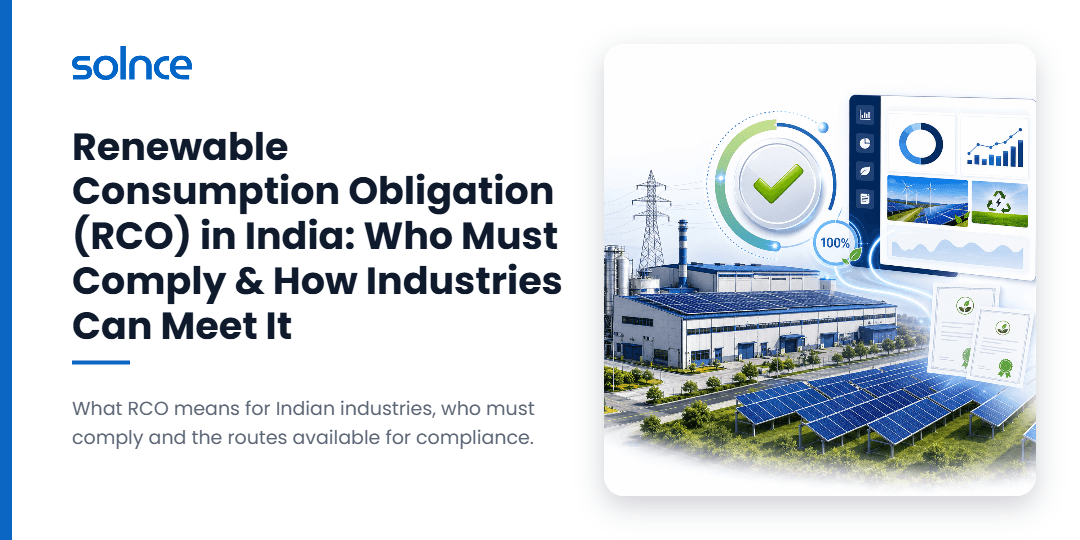
RPO is now the Renewable Consumption Obligation. Find out if your plant is obligated, the year-by-year targets to 43.33%, the ₹347/MWh buyout, penalties and the filing calendar.
When you think about electricity, you think about gird, but today in this blog we will be talking about a system that provides electricity without the involvement of grid. How? Simply with an off-grid solar system.
In this blog will aim to provide you with all necessary information about an off-grid system so that you can avail a booster of knowledge in simple terms. The basic question that many is what is an off-grid system and without a grid how can we have access to electricity? So let me start off by telling you
What is an off-grid solar system?
An off-grid system is also known as a stand alone PV system, where electricity is harnessed by solar panels and then stored inside a battery. This process is not connected to any grid and provides an independent power supply to your home/office, anywhere where you can use electricity.
Where to use an off-grid system?
Well, the most commonly used areas are where there is no grid available like remote far away places, places with frequency power cut issues, remote/rural locations where access to the grid is difficult and costly.
Using electricity without grid-connected is confusing? Okay, so now let's talk about it’s working to give you a better picture.
How Does a Solar Off-grid System Work?
A Solar Off-grid System produces electricity without relying on the national electricity grid for the power to be taken from there. It generates electricity from the sun's rays to run the appliances at home or a business. Here are the steps that make it function:
The photovoltaic cells absorb solar energy and transform it into direct current electrical power.
The charge controller monitors the electrical input and prevents the storage batteries from being overcharged.
Power is stored in the battery bank for use in the future.
When a request for electricity occurs, the inverter converts the stored DC power into AC to operate your devices.
What are the basic components of off-grid system?
The solar off-grid system operates with a series of significant components, capable of efficiently producing solar energy without being connected to the main power grid. Here we will discuss each of the components:
Solar Panels:
Solar panels are the most important parts of a solar-powered off-grid system because they can attract sunlight and convert it into electrical energy (DC). Monocrystalline or polycrystalline panels are two types of solar panels, which are different in terms of energy efficiency, but Corell has all the same energy conversion processes. The load mainly decides the amount and quality of the panels that you would require.
Charge Controller:
This is a device used to monitor voltage and current coming from the solar panels so that the battery remains safe. The two principal types are:
MPPT (Maximum Power Point Tracking) – More efficient, especially in variable sunlight.
Battery Bank:
Batteries are utilized to store the power produced during the day, and that is used in the night cloudy nights. Many alternatives are accessible:
Lead-acid batteries – They are affordable, but they need a great number of things.
Lithium-ion batteries last longer and are more efficient.
Inverter:
Greenhouse gases such as carbon dioxide and methane trap heat from the sun, which makes the Earth warm and results in abnormal and unpredictable weather conditions like hurricanes and tornadoes.
How many types of inverter?
There are 3 types of inverters available in the market to choose from depending on the output waveform. What to choose is your next big question? Then read further to know the answer
Inverters:
Modified sine wave inverter:
Modified Sine Wave
This inverter is less expensive and has a time interval between the maximum positive and maximum negative points also called as a modified square wave inverter. You can not use this in an inductive load as it causes excessive heating that can affect the durability of the appliances. On the beneficial side of it, low-cost one can use it for small devices.
Pure sine wave inverter
Pure sine wave
Pure sine wave comes with a stable sin wave output and is also called a true value inverter. It is a good choice for sensitive electronic appliances. Further, it is classified on the basis of its frequency.
Low frequency: These inverters generate a high starting current, so it is more beneficial for compressors and air-conditioners that can be used for long run time.
High frequency: These inverters are free from electromagnetic effects and offer a higher power conversion rate with an ability to run both inductive as well as a resistive load. They are reliable and efficient with minimum losses.
Square wave inverter;
Square
these inverters are not currently in use due to their instability and harmonic distortion. They generate poor quality unstable square wave ac output that can affect the durability of the inverter.
What are the advantages and disadvantages of the system?
Advantages:
It is independent of a grid
Easy to install in any remote area
Output voltage can be regulated
No need of synchronisation of frequency and voltage between grid and inverter
Disadvantages:
Limited backup hours
Complex to installed
How to Select the Best Off-grid Solar System for Your Home?
The off-grid solar system for you is a matter of your power needs, budget, and where you live. Here are the points to think over:
Calculate Your Power Needs:
Write down a list of the electronic devices you utilize and the time you use them every day. This enables you to calculate the total energy you need to consume and the size of the system you will need.
Prepare Your Budget:
Off-grid systems require a down payment initially. The price of solar panels, batteries, an inverter, and installation must be included. Check if you meet the conditions for government subsidies or solar loans.
Choose a Trusted Installer:
Always go with a certified installer. Ask about the warranty, the after-sales service, and take a look at or inquire about the company's reputation before you decide. Nevertheless, decide on getting enough material.
Conclusion:
A solar off-grid system proves to be an intelligent solution for those who need energy independence, mainly in cases of no-grid access or an unstable grid. The upfront cost might appear high, but in the context of the long-term benefits, eco-friendliness, as well as power reliability, it can be a good investment.
After 1,000+ projects across 35 EPC partners, the same nine mistakes recur — and most are made before a contract is signed. What to fix, in the order that matters.
Calculate your actual generation loss, prove it against the 75% Performance Ratio your vendor owes you, and use the claim route that actually works. Includes the evidence file you’ll need.
RPO is now the Renewable Consumption Obligation. Find out if your plant is obligated, the year-by-year targets to 43.33%, the ₹347/MWh buyout, penalties and the filing calendar.
Have a query? We’re here to help you!
Our solar expert is one call away. They will understand your need and help you choose the best quality products at the most affordable rates.