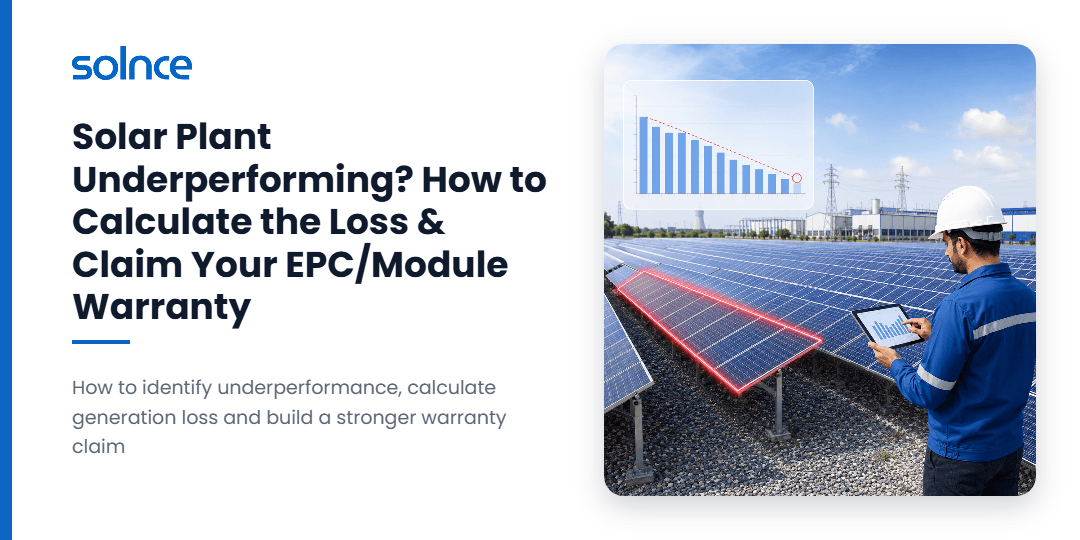
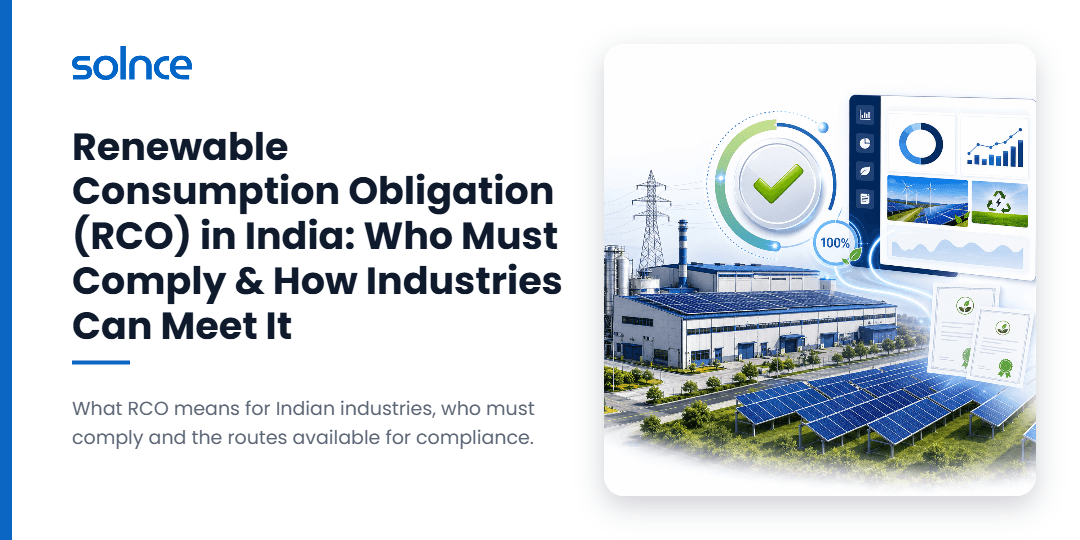
Solar solutions like all others are not without their pros and cons but a sustainable energy solution. If you are considering home and office solar installation. So this guide will help you balance the pros and cons of what it takes to invest in this technology.
Advantages of Solar Energy:
Environmentally Friendly:
Solar could be the planet’s cleanest energy. As it produces no greenhouse gases or air pollutants, it’s an improvement for your carbon footprint.
Renewable Resource:
As it is renewable, it is one of the advantages of solar energy. For one, it is far more abundant and easier to locate.
Cost Savings:
Though they can be expensive to install, they significantly lower electricity bills. In certain circumstances, you can also gain credits for sending surplus energy back to the grid.
Low Maintenance Costs:
Solar panels are quite low-maintenance, although routine cleaning and inspection are usually advised. These systems typically have a 20-25 year warranty.
Energy Independence:
Solar energy allows customers to remain independent from dynamic grid electricity prices and outages, providing consistent, reliable power to off-grid locations.
Disadvantages of Solar energy:
High Initial Costs:
Solar panels, inverters and installation are an expensive upfront purchase even with subsidies.
Weather dependency:
Sunlight is the resource available for generating solar energy, so solar generation decreases on cloudy days or even during winter.
Energy Storages is Expensive:
Batteries for storing solar energy can be very expensive and is a significant part of the cost of the system - particularly so in off-grid systems.
Space Requirements:
Utility-scale solar installations can take up a lot of room, which can't be made available by everyone.
End of Concerns:
Other types of recycling are still a nascent industry, calling into question the environmental effects of solar panels at the end of their lives.
Should you buy a solar energy system?
Tagging our decision to invest in solar energy comes down to several factors:
Your Location:
Solar panels are ideally located in sunny areas, where they need to be most cost-effective and efficient.
Electricity Costs:
The initial costs are times compensated for if your electricity rates are high, as the savings from the solar energy offset the initial investment.
Budget and Incentives:
Look at your budget and figure out what kind of government incentives exist in your area.
Energy Needs:
Check if you are consuming energy at a level that a solar system can provide consistently.
Long-term Goals:
If you value sustainability and responsibility to the environment, solar energy is a good option.
Conclusion:
Solar energy can be a step forward to greener living and potential savings, but it takes planning and investment. However, if your circumstance matches the benefits of solar power, it may be a good investment. On the other hand, if the disadvantages far exceed the advantages in your particular situation, it's prudent to look elsewhere for energy solutions.