After 1,000+ projects across 35 EPC partners, the same nine mistakes recur — and most are made before a contract is signed. What to fix, in the order that matters.
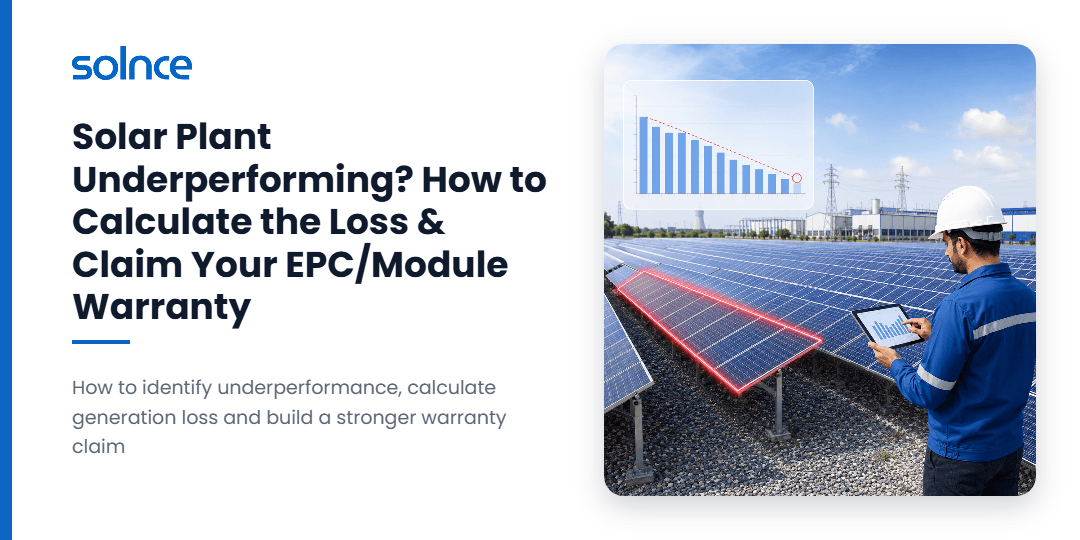
Calculate your actual generation loss, prove it against the 75% Performance Ratio your vendor owes you, and use the claim route that actually works. Includes the evidence file you’ll need.
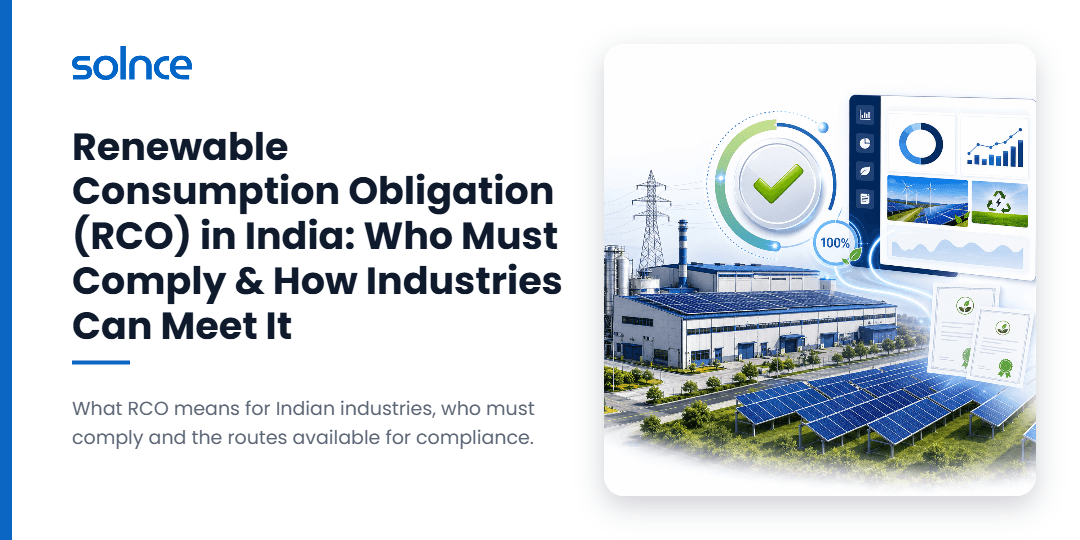
RPO is now the Renewable Consumption Obligation. Find out if your plant is obligated, the year-by-year targets to 43.33%, the ₹347/MWh buyout, penalties and the filing calendar.
As the capacity for global water storage and energy consumption increases, there is an urgent need for sustainability in agriculture. The solar-powered irrigation system is one of the most effective solutions, which has easy-to-understand technology where water can be pumped with regards to irrigation by solar electricity. The carbon neutral process is for farmers, especially those in areas with minimal access to electricity, and can be powered entirely by renewable energy values and its efficiency as much as their new products.
In this blog, we will discuss how irrigation systems work and their benefits, the components of a well-functioning system, current challenges faced by these systems, and lastly why these systems can transform agriculture.
What is a Solar irrigation system?
Solar irrigation systems use the power of sunlight through solar panels as these help convert sunlight into electrical energy and serve as a storage unit Water pumps to get water from streams, rivers or lakes wells or reservoirs for the agricultural field form of water pump. The irrigation system that runs on a renewable energy source is called the solar irrigation system whereby units are installed to make them cost effective and sustainable as opposed to fossil fuel or grid electricity based Irrigation systems that run units on grid (fossil) energy.
How does a Solar irrigation system work?
1. Solar Panels:
Solar PV panels capture sunlight and produce power. These are installed on rooftops or free areas to get a record of sunlight.
2. Controller/Inverter:
Solar panels need a controller or an inverter, which produces electricity that will equal that of a constant power supply to the pump.
3. Solar water pump:
Solar panels power the pump and draw water from the source during this stage. Three primary types of solar water pump exist.
Surface Pumps: Best for extracting water from low-lying sources.
Underwater pumps: Well bore and pump types.
Water Distribution System: After pumping water is delivered to the fields with pipelines, drip irrigation systems, or sprinklers for effective use of water.
Benefits of Solar irrigation system:
Cost savings:
Solar irrigation does not require diesel or grid electricity, and the operating costs are reduced. It helps farmers save on fuel costs and insulate themselves from energy price volatility.
Environmental friendly:
Using solar energy, they reduce carbon emissions and dependence on non-renewable energy sources to make the earth greener.
Energy Independence:
This equips freely inaccessible farmers with steady irrigation without reliance on unsteady power grids or costly fuel supply chains.
Improved Crop yields:
When the plants are demanding it at vital growth stages, adequate water provision signifies healthier crops and higher yields even in dry climates.
Low maintenance
Compared to diesel-based systems, solar panels, and pumps are long-lasting and demand maintenance.
Main Parts of a Solar Irrigation System:
Solar panels:
Solar panels with an efficiency that harness sunlight and convert it to electricity.
Solar water pump:
Build to work seamlessly with the variable power output of solar panels.
Battery:
Batteries are also the type of application to harvest the excess solar energy which can be used in irrigation during cloudy days or at night.
Mounting Structure:
A strong frame to place the solar panels at the best angle to catch sunlight.
Water Storage tanks:
When the sun does not shine, tanks can be used for storing water.
Control Systems:
Advanced systems may have timers, sensors, and even remote monitoring for efficiency purposes.
Challenges of solar irrigation systems:
High initial cost:
Initial costs for solar panels, pumps, and other infrastructure can be considerable pricing out small-scale holders.
Weather dependency:
The availability of light can be a potential constraint to solar irrigation ineffective for continuous rainy days.
Limited Awareness:
Insufficient understanding among farmers of solar irrigation, its potential cost savings, and other advantages
Maintenance expertise:
Though maintenance is limited, as with any other vehicle, getting to a technician for the occasional repair can be difficult in far-flung locations.
Conclusion:
Solar irrigation has proved to be a transformative approach for sustainable agriculture. The use of renewable energy along with effective water management in these systems eliminates major problems like shortages of energy, costly operations, and pollution through sustainable solutions founded on the economy of scale. Now, it is the duty of governments, NGOs, and private organizations to ensure that solar irrigation reaches every farmer for a sustainable and greener future of agriculture.
If you are planning to invest in a solar irrigation system, learn more about the latest technology, government schemes, and success stories from your region. This innovation can be for the growth of your farm and can also ensure sustainable development.
FAQs:
Q1. What are 3 disadvantages of irrigation?
Ans: Water Waste By Irrigational Practices: Not investing right effort in irrigation over contributes into the water loop as lost by runoff or does getting evaporated.
Land degradation: Over-irrigation can also lead to waterlogging or salinization that decreases the fertility of soil.
High Expenses: The installation and maintenance of irrigation systems can be costly, particularly for advanced methods.
Q2. What is the risk of irrigation?
Ans: Irrigation can also negatively affect by waterlogging, soil salinization, local aquifer depletion, greenhouse gas emissions and disruption of natural ecosystems.
Q3. Which is the best method of irrigation?
Ans: Different irrigation methods are suited for different crops, soil and availability of water. But the efficient way, or so we are told, is drip irrigation right where the plants need it at their roots to keep water loss through evaporation as low as possible.
After 1,000+ projects across 35 EPC partners, the same nine mistakes recur — and most are made before a contract is signed. What to fix, in the order that matters.
Calculate your actual generation loss, prove it against the 75% Performance Ratio your vendor owes you, and use the claim route that actually works. Includes the evidence file you’ll need.
RPO is now the Renewable Consumption Obligation. Find out if your plant is obligated, the year-by-year targets to 43.33%, the ₹347/MWh buyout, penalties and the filing calendar.
Have a query? We’re here to help you!
Our solar expert is one call away. They will understand your need and help you choose the best quality products at the most affordable rates.