After 1,000+ projects across 35 EPC partners, the same nine mistakes recur — and most are made before a contract is signed. What to fix, in the order that matters.
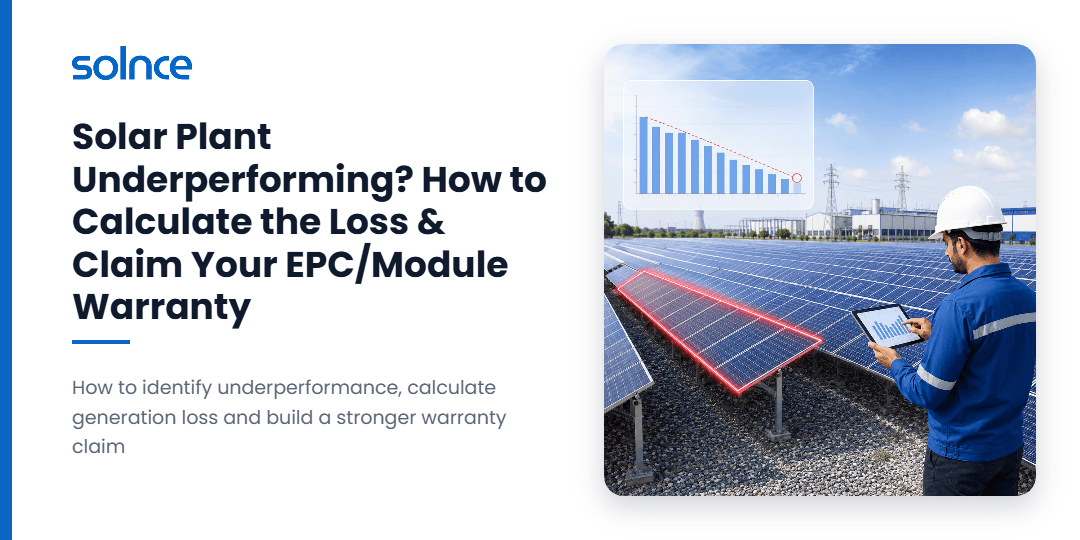
Calculate your actual generation loss, prove it against the 75% Performance Ratio your vendor owes you, and use the claim route that actually works. Includes the evidence file you’ll need.
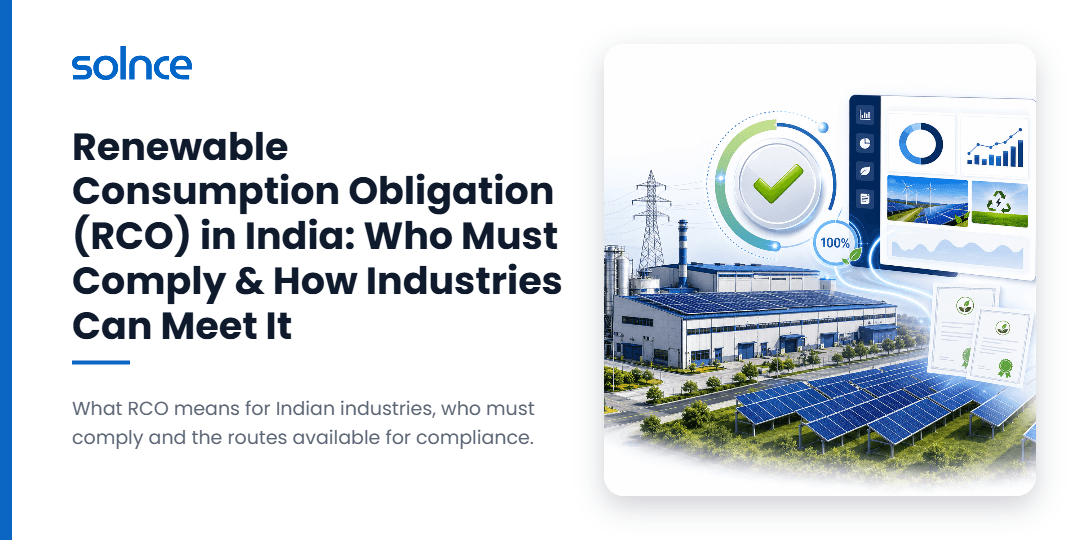
RPO is now the Renewable Consumption Obligation. Find out if your plant is obligated, the year-by-year targets to 43.33%, the ₹347/MWh buyout, penalties and the filing calendar.
Solar panels are essential in carbon reduction and sustainable living. In this article we will discuss how solar panels work, few types(very few), pros & cons of solar energy and some points regarding cost in installing the solar panel.
What are solar panels?
Solar panels are devices that collect sunlight and convert it into electricity. Solar panels (usually made of silicon-based solar cells) harness sunlight and produce a current according to the photovoltaic effect.
How do solar panels work?
Sunlight hits the panel: Solar panels are made up of solar cells that capture sunlight logs, each cell makes an electrical field when its electrons get excited.
Direct current (DC) electricity:Direct current (DC) electricity is because of the electric field, and most appliances do not currently properly use DC.
Inverter Conversion: An inverter converts the DC electricity into AC wind (or solar power) able to be used by homes and businesses.
Power usage of storage: The power is either used right away or reserved in solar batteries for after.
Types of solar panels:
Monocrystalline solar panels:
Synthesized from one single crystal of silicon.
High efficiency (15%-20%).
Durable and modern design.
Costlier than other types.
Polycrystalline solar panels:
Composed of several melted together silicon pieces.
Some efficiency (13-16%)
Affordable but less efficient in small process
Thin filmed solar panels:
Laid out by way of photovoltaic material on foundation.
Lightweight, flexible and portable.
Not so efficient (10-12%) but perfect for specific applications.
Benefits of solar panels:
1. Cost savings
Generate your electricity and cut or eliminate the costs of your power bills.
Option to sell excess energy back through net metering
2. Environmental Impact
Biomass energy source AI reduces greenhouse gas emissions.
Displaces fossils fuels.
3. Energy Independence
Reduces reliance on volatile energy markets.
A reliable source of powder in the middle of now here or off-grid.
4. Increased Property value
Homes with solar panels sell faster and at higher prices.
5 factors things you should consider before installing solar panels:
1. Energy needs:
Find out what your current energy consumption is to know what size system you will need.
2. Roof Suitability:
Roof orientation: In the northern hemisphere, a south-facing roof gets the most sun.
3. Cost and financing:
Panels, inverter and installation as upfront costs.
Explore tax breaks, refunds and solar financing solutions.
4. Local climate:
Solar panels have a better performance where the solar irradiance level is greater.
5. Solar panel maintenance
Very low maintenance, cleaning and periodic checks on the system is all that you need.
The emergence of innovative technologies like bifacial panels, solar tiles, and transparent solar cells is revolutionizing the sector. Integrating solar power with AI and technologies contributes to improving efficiency and monitoring.
Conclusion:
Solar panels are becoming ever more valuable on the road of green energy. Whether you are looking to save money on electricity or reduce the size of your carbon footprint and increase the value of your home; solar panel investment is a decision.
Ready to make the switch? Measure your energy demand, dig into financing options, and get quoted by a trustworthy solar installer. There’s nothing in the world that can exhaust the source of energy from the sun and use it to provide you with your future power.
After 1,000+ projects across 35 EPC partners, the same nine mistakes recur — and most are made before a contract is signed. What to fix, in the order that matters.
Calculate your actual generation loss, prove it against the 75% Performance Ratio your vendor owes you, and use the claim route that actually works. Includes the evidence file you’ll need.
RPO is now the Renewable Consumption Obligation. Find out if your plant is obligated, the year-by-year targets to 43.33%, the ₹347/MWh buyout, penalties and the filing calendar.
Have a query? We’re here to help you!
Our solar expert is one call away. They will understand your need and help you choose the best quality products at the most affordable rates.